Oyster Roast Porta Potty Guide for Lowcountry Hosts
This oyster roast porta potty guide helps a host plan restrooms for a fall or winter roast. Count by guests and hours, add for beer, add hand wash for shucking, and light the path.
- Delivery area
Backyards, docksides and church grounds across the Lowcountry. Check your ZIP.
- Arrival
Units drop the day before; Friday for a Saturday roast. Pickup is Monday at no extra charge.
- Right unit
Standard units for the crowd, a hand wash station near the shucking table, and an ADA-style unit if guests need one.
- Cleaning
Units arrive sanitized and stocked with paper and sanitizer, ready for the first guest.
- Full cost
One itemized quote covering units, delivery, pickup and tax.
Dispatch answers Monday to Saturday, 7 AM to 7 PM. A phone quote takes about five minutes.
Reviewed October 2026 by Austin, owner of Austin Rental Works
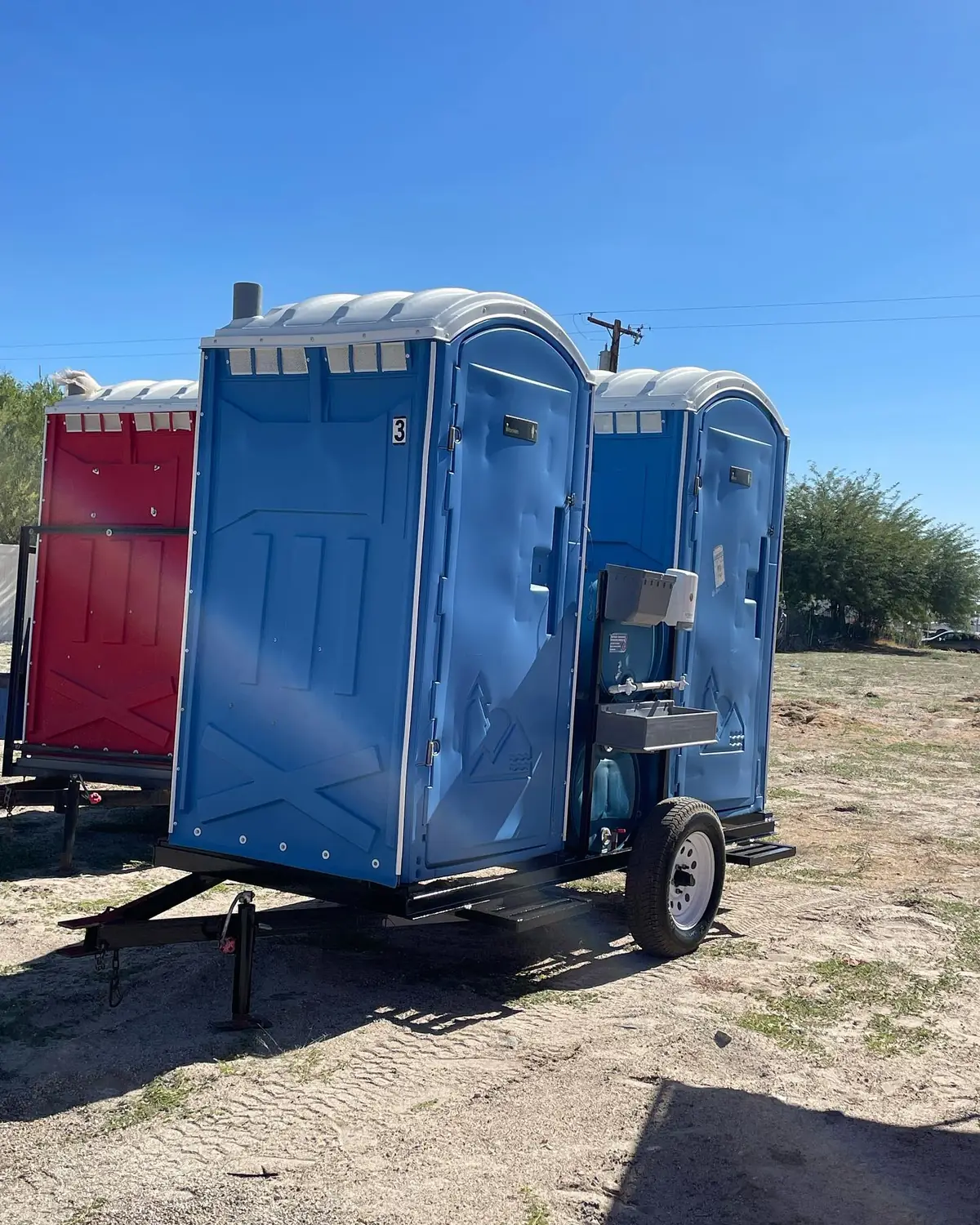
Enter your ZIP to see delivery timing for your address.
When is oyster roast season in the Lowcountry?
Oyster roast season in the Lowcountry runs roughly September through April, the months with an R in the name. Cooler nights and good oysters make fall and winter the busy stretch for backyard and church roasts. Book an oyster roast porta potty early for holiday weekends, when many hosts pick the same dates.
Roasts often start late afternoon and run past dark. That timing changes how many units you need and where they go.
Hosting a roast this season? Call with your guest count and we will size the units and hand wash in a few minutes.
Call now for same-day(843) 268-6920How many porta potties does an oyster roast need?
An oyster roast needs about one standard unit for every 200 guest-hours: multiply guests by hours and divide by 200. A 100-guest roast running 4 hours needs 2 units. A 150-guest roast running 5 hours needs 4. Round up, and add one more when the crowd is large or the party runs late.
| Guests | 3 hours | 4 hours | 5 hours |
|---|---|---|---|
| 50 | 1 | 1 | 2 |
| 100 | 2 | 2 | 3 |
| 150 | 3 | 3 | 4 |
| 250 | 4 | 5 | 7 |
Try your own numbers on the porta potty calculator.
How much should beer change the count?
Beer should raise the oyster roast count by about one unit for every four units. Guests drinking beer use the restroom more often, and the lines show up in the last two hours. A 150-guest, 5-hour roast that needs 4 units dry should get 5 units when a keg or cooler of beer is on site.
Why does an oyster roast need a hand wash station?
An oyster roast needs a hand wash station because shucking leaves hands covered in mud, salt and oyster juice. Sanitizer alone does not cut through grit. A hand wash station has two foot-pump sinks, soap and towels, and holds about 400 washes per fill, enough for most backyard roasts.
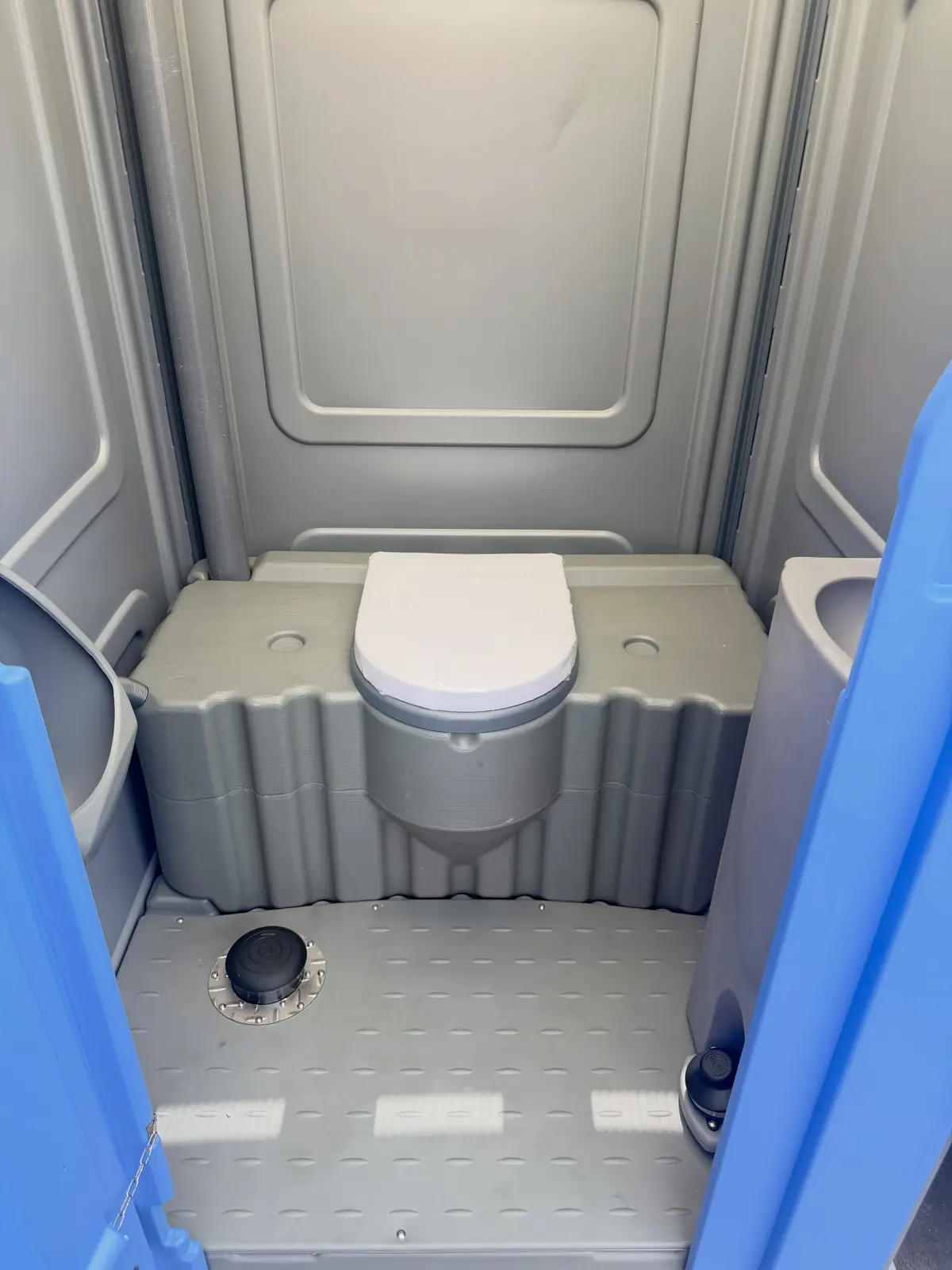
- One station near the shucking tables.
- One near the restrooms if the count is over 3 units.
- A trash can beside each station for paper towels.
See hand wash station sizes for details.
How do I light the restrooms for an evening roast?
Light the oyster roast restrooms with solar stake lights or lanterns along the path and a light near each door. Standard porta potties do not have built-in lights, and fall evenings get dark early. A battery puck light stuck inside each unit helps guests find the paper and the latch after sunset.
- Light the pathSolar stakes every few feet from the party to the units.
- Light the doorsA lantern or clamp light near each door.
- Light the insideA battery puck light on the inside wall.
- Keep it clearNo cords across the walkway.
Where should the units go at an oyster roast?
Oyster roast units should go 50 to 100 feet from the fire and tables, on firm ground, with the doors facing the party. Keep the units away from the smoke and the shell pile. The spot also needs to be within about 25 ft of where the service truck can park, and clear of soft marsh edge.
Read our placement guide for sand and marsh ground before you pick a spot near the water.
Should a big roast get a restroom trailer instead?
A big roast with 150 or more guests, or a dressy crowd, may do better with a restroom trailer. A trailer has flush toilets, sinks, lights and climate control, which helps on cold winter nights. A restroom trailer needs a 110V/20-amp outlet nearby, a water hose or onboard water, and level ground with truck access.
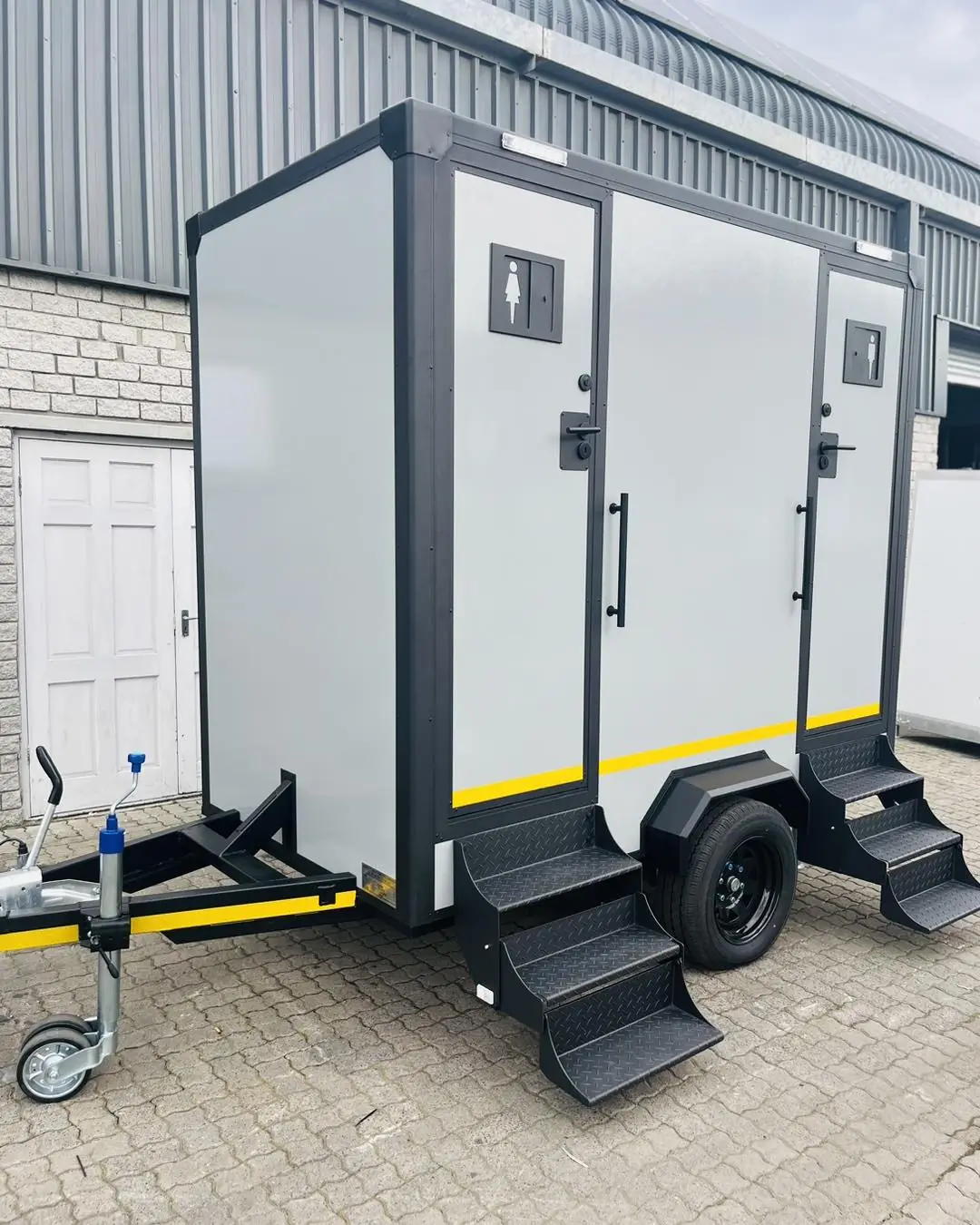
Compare options on our restroom trailer page.
Questions customers ask
What does a porta potty cost for an oyster roast?
A standard event unit starts from about $225 for up to 4 days, with delivery and pickup included in Beaufort County. A hand wash station added to a toilet order costs less than the standalone rate of about $225.
Can the units drop Friday for a Saturday night roast?
Event units drop Friday for a Saturday roast and get picked up Monday at no extra charge. Saturday-morning drops also work when the route allows.
Do I need an ADA-style unit at a private roast?
A private roast does not always need one, but any guest using a wheelchair or walker will need an ADA-style unit. The unit is about 87 inches square, so the spot needs flat ground and truck access.
Can I put the units on the dock or bluff edge?
Keep units off docks and soft bluff edges. Firm, level ground near the driveway keeps the unit steady and easy to service.
What if it rains on roast day?
Rain does not stop delivery. Pick a spot on high ground with gravel or grass, not a low corner where water pools.
Do you deliver on Sunday for a Sunday roast?
We do not deliver on Sunday. For a Sunday roast, units drop Friday or Saturday and get picked up Monday.
Get a written quote
Five details and we call or text back with one full price: rent, delivery, pickup and tax.
Faster by phone
(843) 268-6920- Locally owned, our own units and trucks
- Same-day delivery Monday to Saturday
- Every fee on the quote before you book
- Weekly service on jobsite rentals
Web quotes get a call back within 30 minutes during business hours.
Keep planning
Get the roast restrooms booked
Call with your guest count and hours and we will size units and hand wash on the spot.
- Same-day deliveryCall by noon, Mon–Sat
- Locally ownedOur own units and trucks
- Cleaned weeklyOn every jobsite unit
- No hidden feesOne itemized total